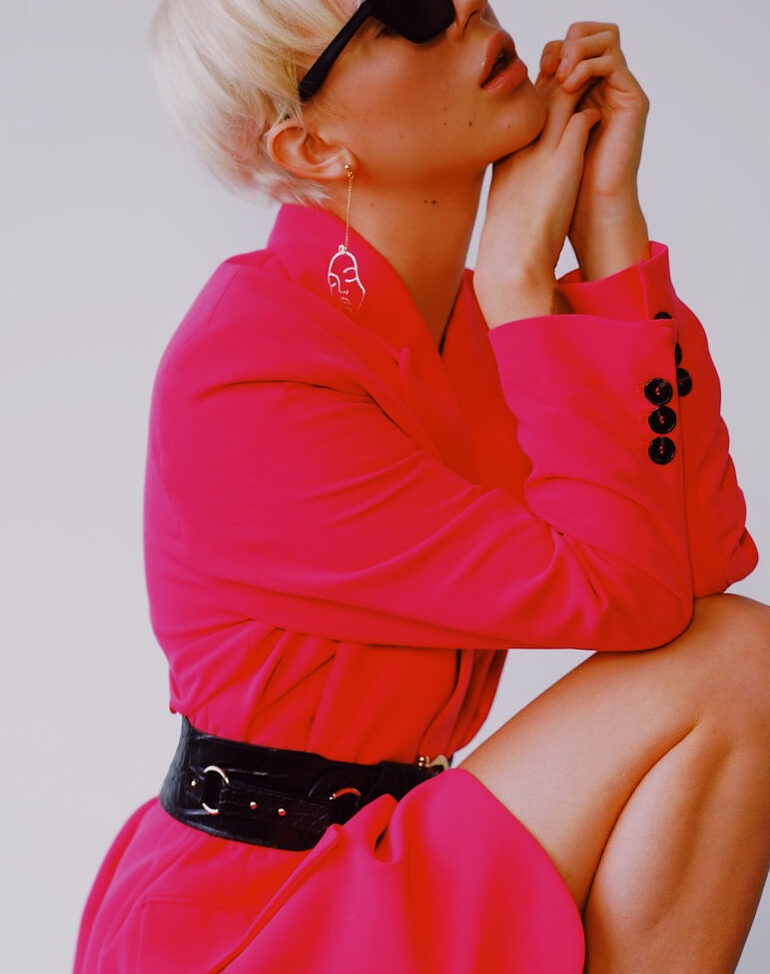
Have you ever noticed how putting on a particular outfit can instantly shift your mood or make you feel more confident? It’s not just your imagination! What we choose to wear goes far beyond mere aesthetics; it’s a powerful psychological tool that influences how we think, feel, and interact with the world. Your closet isn’t just a collection of clothes; it’s a dynamic reflection and shaper of your inner self. Let’s dive into the fascinating psychology of clothing and discover how you can use it to your advantage.
1. The Power of “Enclothed Cognition”: Dress for Success and Your Brain
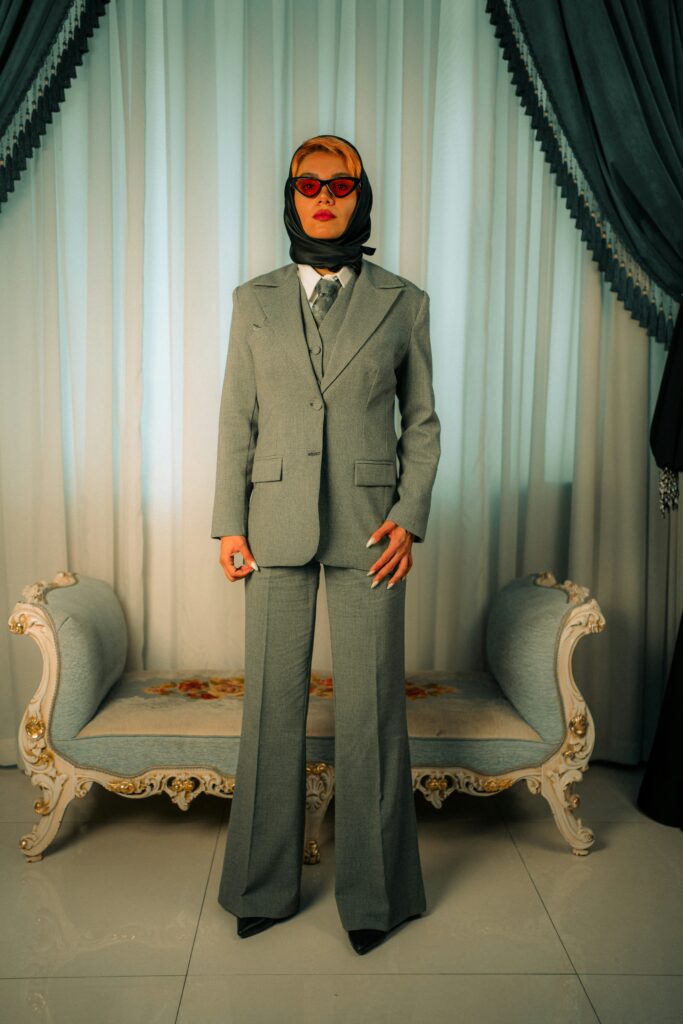
Imagine putting on a crisp white lab coat. Does it make you feel more focused, perhaps a bit more “scientific”? That’s the essence of Enclothed Cognition. This concept, coined by researchers Hajo Adam and Adam D. Galinsky in their 2012 study, suggests that the symbolic meaning of our clothes, combined with the physical act of wearing them, can actually change our psychological processes.
Their groundbreaking work involved several experiments with lab coats. In one notable experiment, participants wearing a lab coat (associated with doctors) performed significantly better on attention-related tasks (like the Stroop test, which measures selective attention) compared to those who wore their regular clothes. Further studies showed that it wasn’t just seeing the coat, but physically wearing it and understanding its symbolic meaning (e.g., a “doctor’s coat” vs. a “painter’s coat”) that produced these cognitive effects, specifically enhancing sustained attention.
How to use Enclothed Cognition:
- Boost Focus: If you need to concentrate or perform a detailed task, consider wearing something that you associate with precision or professionalism. Think of that “doctor’s coat” effect! The research suggests a real impact on selective and sustained attention.
- Improve Abstract Thinking: While the original lab coat study focused on attention, subsequent research has explored how more formal clothing can indeed enhance abstract processing. When you need to strategize or brainstorm big ideas, try dressing a bit more formally.
- Fuel Good Habits: Even something as simple as formal clothes can trigger self-controlled images, potentially leading to healthier choices, as the act of dressing for a certain role can influence behavior.
2. Your Outfit as a Mirror: Self-Perception and Confidence Boosting Wardrobe Choices
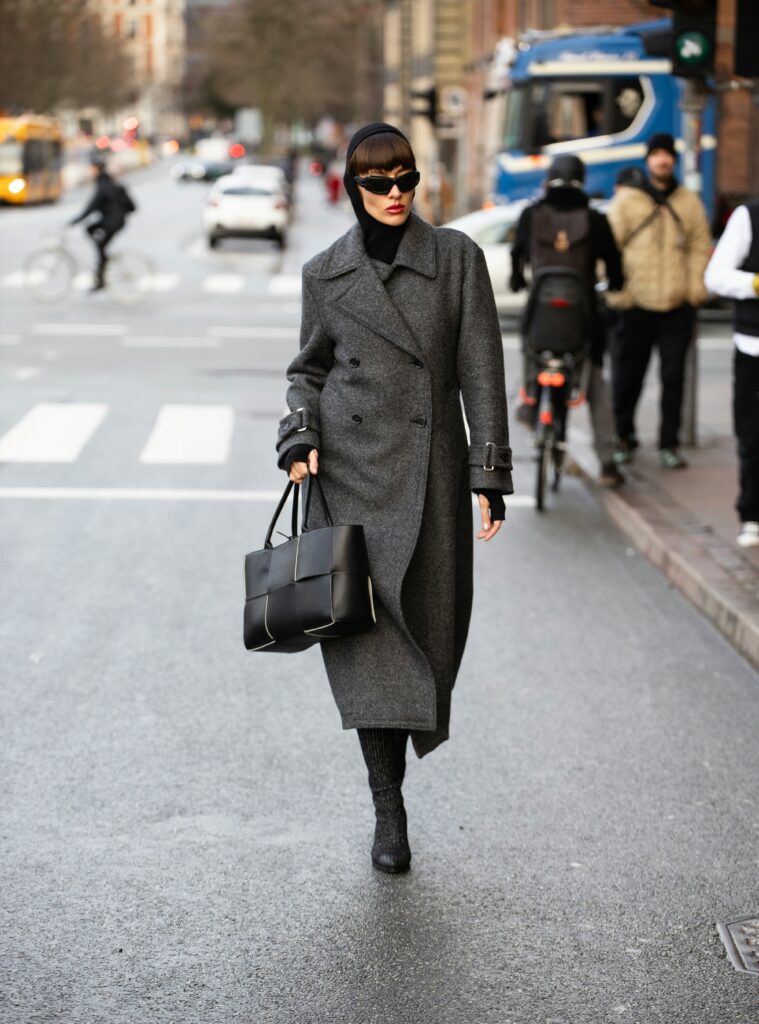
It’s a common experience: when you look good, you often feel good. This powerful connection is precisely explained by Self-Perception Theory. This theory suggests that we don’t always introspect to understand our internal states; instead, we often infer our own attitudes, attributes, and internal states by simply observing our own behaviors. In the context of clothing, this means the act of choosing and wearing clothes becomes an observable behavior from which your brain draws conclusions about who you are. So, when you deliberately select clothes that embody how you want to be seen – whether professional, creative, or relaxed – you are actively sending signals to yourself that reinforce and build those very traits within your self-perception.
How to leverage Self-Perception Theory:
- Dress for Your Desired Self: Want to feel more confident, capable, or energetic? Consciously choose outfits that embody those qualities. The consistent act of wearing them can genuinely help you internalize and solidify those desired beliefs about yourself.
- Positive Self-Talk Through Style: If you’re heading into a challenging situation, dressing for success isn’t just about making a good external impression. Crucially, it’s about convincing yourself that you are capable, prepared, and ready to perform.
- Reinforce Confidence: When others react positively to your attire (e.g., a compliment or a perceived increase in respect), it provides external validation that powerfully reinforces your positive self-perceptions, creating a virtuous and uplifting cycle of confidence.
3. Filling the Gaps: Symbolic Self-Completion and Identity Through Clothing
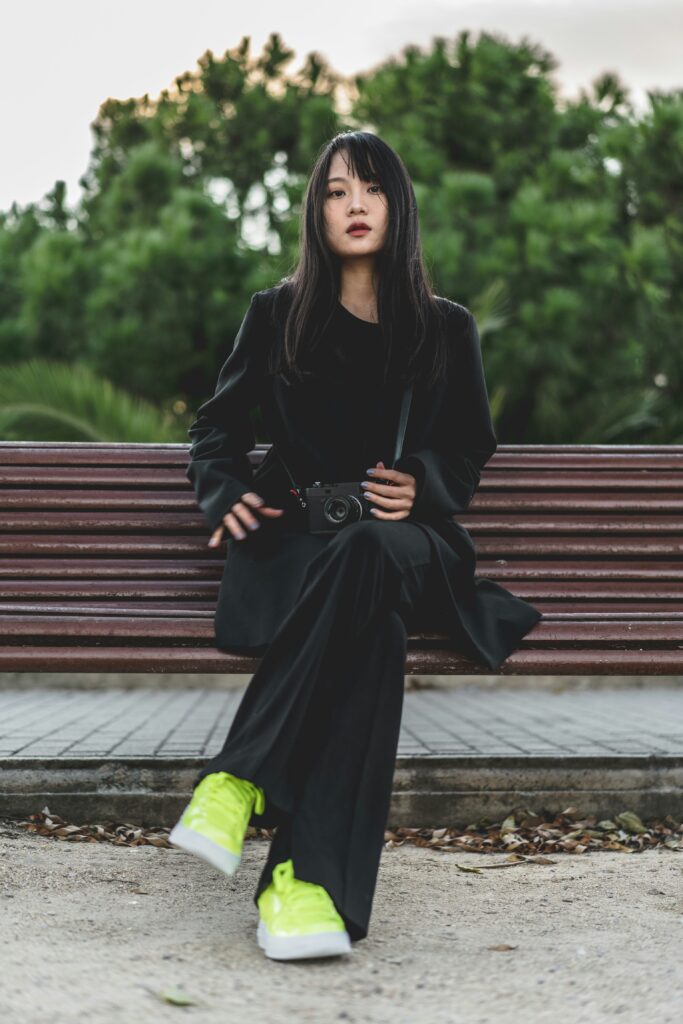
Sometimes, we feel a little “incomplete” in certain areas of our identity. Maybe you’re starting a new role and want to feel more authoritative, or perhaps you’re trying to embrace a more artistic side. Symbolic Self-Completion Theory, developed by psychologists Robert A. Wicklund and Peter M. Gollwitzer, explains how we actively seek to acquire and display “symbols” that are strongly related to our desired ideal self, particularly when we feel a sense of inadequacy or incompleteness in a certain self-definitional area. This deficiency creates psychological tension, motivating us to bridge that identity gap using external symbols, like clothing, to feel more complete.
Clothing serves as a powerful material symbol in this process. By acquiring and displaying items that represent an identity goal (e.g., a smart blazer for a leader, or vibrant patterns for an artist), an individual can experience a profound sense of “completeness” regarding that pursued identity. It’s not just about expressing who you are; it’s about actively affirming and even constructing that identity, especially when you feel it’s lacking or threatened. You can learn more about the theory here.
How to use Symbolic Self-Completion:
- Embrace Identity Symbols: If you’re aspiring to a certain identity (e.g., a leader, an artist, a fitness enthusiast), consciously incorporate clothing items that symbolize that identity. This act helps to reduce any feelings of inadequacy and affirm your commitment to that role.
- Manage Conflicting Roles: Clothing psychology can help you navigate different facets of your identity. For example, some women in STEM fields use clothing to express both their feminine and professional identities, strategically using attire to integrate potentially conflicting aspects of their self-concept.
Navigating identity shifts? Feeling lost about who you want to be? Our Soft Apocalypse Guide can help you on your path to self reinvention.
4. The “Dopamine Dressing” Phenomenon: How Clothes Affect Your Mood and Well-being

While there’s no direct scientific proof that colors release dopamine in your brain, the concept of “Dopamine Dressing” is all about using your wardrobe to uplift your mood. It’s the simple joy and pleasure you get from wearing clothes that make you feel happy and satisfied. This is strongly supported by the psychological principles we’ve discussed, where the symbolic meaning and positive self-reinforcement from chosen attire lead to improved mood.
How to practice Dopamine Dressing:
- Choose Uplifting Colors: Experiment with vibrant, uplifting colors like reds, yellows, or bright blues. Different colors can evoke specific emotional responses, so find what resonates with you.
- Prioritize Personal Style: The most important thing is how you feel. Dressing in accordance with your interests and personality has a greater impact on mental health than simply following trends.
- The “Cinderella Effect”: Notice how wearing a truly special outfit can transform how you feel and behave. Lean into that feeling!
Your emotions demanding you go deeper? Check out our blog post: How to Process Complex Emotions: 5 Advanced Self-Care Strategies for times when the psychology of clothing just wont cut it.
5. Practical Strategies: Use Psychology to Dress Yourself Daily
Ready to harness the psychological power of your closet? Here are some actionable strategies:
- Intentional Dressing: Before choosing your outfit, pause and set an intention. How do you want to feel today? What do you want to accomplish? Select clothes that align with that intention.
- Clothing as Self-Care: Choose clothes that make you feel comfortable, confident, and empowered. Dressing for self-care is a powerful act of self-love and emotional nourishment.
- Dress for Confidence: When you have important tasks or challenges, pick an outfit that gives you an extra boost of self-assuredness.
- Mirror Work: Take a moment to look in the mirror after you’re dressed. Offer yourself positive affirmations and compliments to boost your self-esteem.
- Organize by Mood: Consider organizing parts of your wardrobe by “feel-good” outfits, making it easier to grab something uplifting when you need it.
- Clear Out the Negativity: Donate or repurpose clothes that bring back negative memories or make you feel bad about yourself.
Your Wardrobe, Your Power: Unlock Your Inner Confidence Through Style
Your closet is more than just a place to store clothes; it’s a reservoir of psychological power. By understanding the psychology of clothing and how your attire influences your mind and emotions, you can transform your daily dressing routine into a deliberate act of self-care, personal development, and strategic self-presentation.
So, next time you open your closet, remember: you’re not just picking an outfit, you’re shaping who you are. Dress with intention, and embrace the powerful connection between your inner self and outer style!