
Beyond surface-level fixes: Unpack complex emotional data with evidence-informed self-care strategies designed for deep internal optimization.

Your System is Overloaded: Why “Just Relax” Isn’t Enough.
You know the drill: “Just relax. Take a bath. Light a candle.” It’s the standard script for stress and how most people relate to the term “self-care”. But when your inner world feels like it’s in a silent implosion – what we call a “soft apocalypse” – these surface-level fixes don’t just fall short; they miss the fundamental problem.
This isn’t just stress. This is a profound internal reorganization. You’re unearthing layers of unaddressed emotional data. And pretending that backlog isn’t there? That’s a full-blown system overload.
Here’s the hard truth: Research consistently demonstrates that suppressing emotions doesn’t make them vanish. It just reroutes their energy, silently messing with your core functions. Think:
- Constant alert mode (sympathetic nervous system overdrive)
- Spiking stress hormones (hello, cortisol!)
- Even a hit to your immune system.
It’s like a hidden program draining your mental battery, and manifesting physical dysregulation, like brain fog and physical tension.
So, real self-care is not about pleasant distractions. It’s intelligent emotional processing, and actively understanding and releasing the emotional data that’s holding you back. It’s time for an upgrade to your internal operating system.
To understand why surface-level fixes fail, we need to trace the true purpose of self-care. Its evolution reveals a far deeper mandate than commercialized indulgence.
Experiencing a profound internal reorganization? Our How To Reinvent Yourself: The Soft Apocalypse Guide offers the full framework for navigating these shifts
The Evolution of “Self-Care”: From Ancient Discipline to Revolutionary Act (and Back Again?)
Before it became a hashtag or a commodity, the concept of “self-care” carried profound weight.
1. Ancient Foundations: The Philosophical Art of Self-Cultivation
Centuries before modern psychology, Greek philosophers like Socrates and later, Roman Stoics (think Seneca, Marcus Aurelius) embraced what they called epimeleia heautou – the “care of the self.” This wasn’t about indulgence; it was a rigorous, lifelong ethical and intellectual discipline. It meant:
- Deep Self-Knowledge: Relentlessly examining one’s thoughts, biases, and motivations.
- Self-Mastery: Cultivating virtues, disciplining desires, and aligning actions with reason. Practices included rigorous reflection, meditation, and structured journaling (keeping hypomnēmata).
- Preparation for Life: The ultimate goal was to become a more coherent, ethical, and effective participant in civic life. As philosopher Michel Foucault extensively explored, this self-cultivation was a central tenet for living a good life, deeply intertwined with one’s role in the world.
2. Mid-20th Century: A Medical & Rehabilitative Mandate
By the mid-20th century, “self-care” reappeared in medical and nursing contexts. Here, it shifted from philosophical pursuit to a practical imperative. Particularly for patients in long-term care or those managing chronic conditions. It focused on empowering individuals to participate in their own health and recovery. Often to foster autonomy where it had been diminished by illness or institutionalization.
3. The 1960s-80s: Radical Self-Preservation & Collective Resistance
This period marked a powerful, radical redefinition. For marginalized communities facing systemic oppression – notably within the Civil Rights, Black Liberation (e.g., the Black Panthers’ community health programs), and feminist movements – self-care was a revolutionary act of survival. Audre Lorde, the prolific Black feminist writer and activist, famously declared:
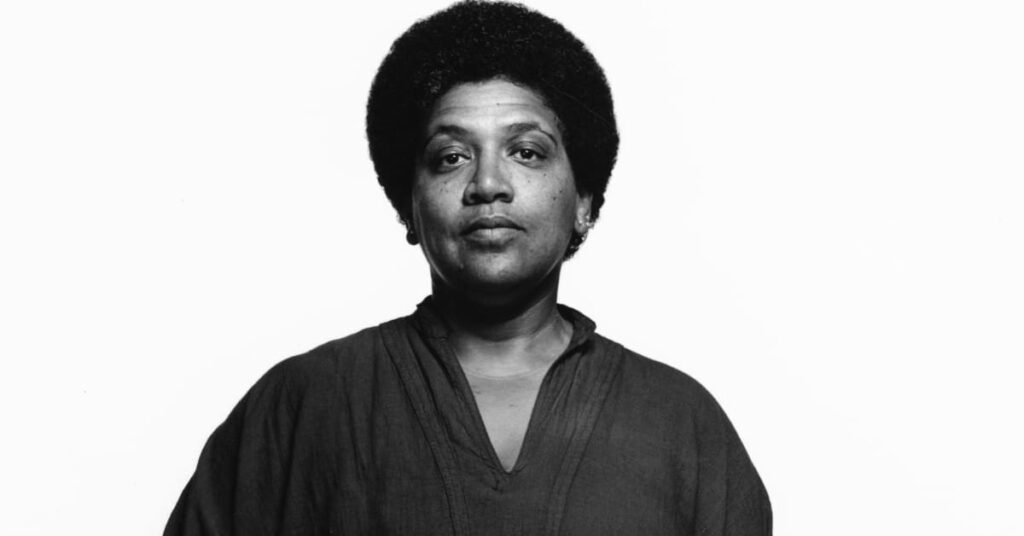
Caring for myself is not self-indulgence,
it is self-preservation, and that is an act of political warfare..
– Audre Lorde
For these activists, self-care wasn’t about personal pampering; it was a vital strategy to sustain physical, mental, and emotional well-being in the face of exhausting, life-threatening struggle. It also encompassed community care, recognizing that individual well-being was inextricably linked to the health and safety of the collective.
4. The Modern Era: Commercialization & The Wellness Commodity
In recent decades, “self-care” has largely been co-opted by consumer culture and the wellness industry. The focus often narrows to buying products or engaging in isolated, often superficial, acts of comfort (the ubiquitous bubble bath, the expensive retreat, the trending superfood). While these can offer temporary relief, this version frequently:

Turns care into a transaction: Suggesting well-being is something you purchase, rather than cultivate.
Individualizes a systemic problem: It places the onus of burnout entirely on the individual, rather than addressing societal pressures.
De-emphasizes deeper work: It can gloss over the profound internal processing required for genuine healing.
This historical context underscores a vital truth: genuine inner work demands more than passive consumption. It requires an intelligent engagement with our own emotional architecture. Let’s delve into the neuroscience that explains why this deeper processing is non-negotiable.
Emotional Intelligence 2.0: Why Deeper Processing Matters
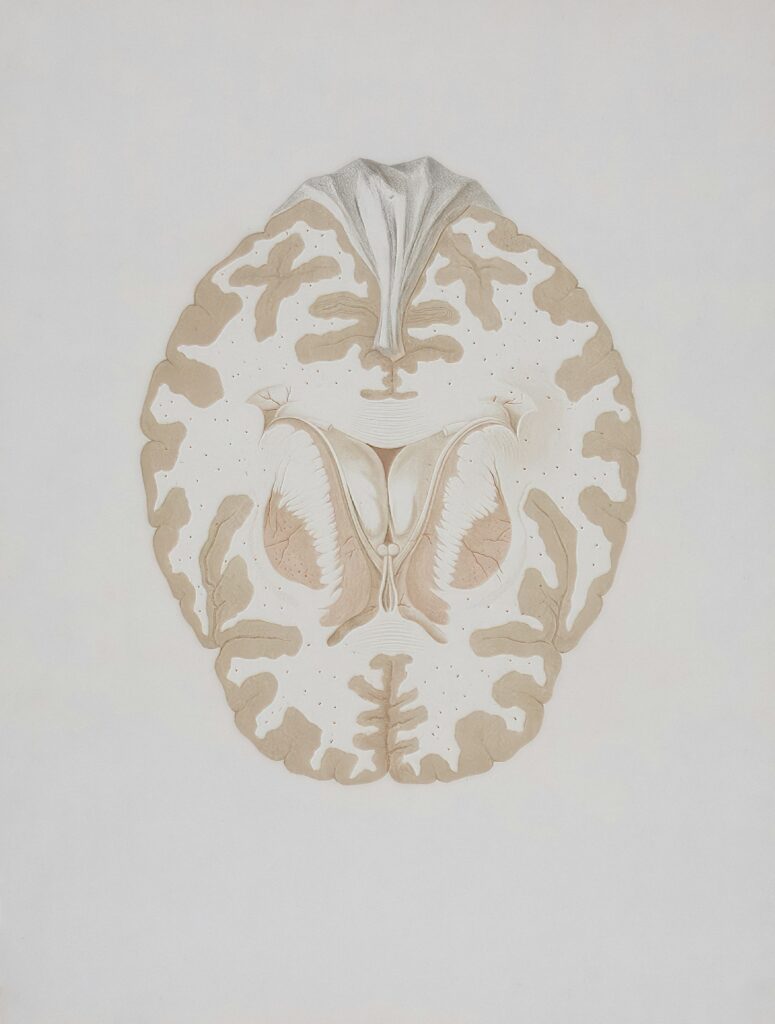
Neuroscience offers a compelling perspective: unexpressed emotions can keep regions like the amygdala (our brain’s primal threat detector) in a persistent state of alert. This isn’t just a feeling; research indicates that sustained amygdala activity, often associated with dysregulated emotion, can interfere with prefrontal cortex function, impacting executive functions such as decision-making, cognitive control, and ultimately, your capacity for creative problem-solving.
The rituals we’re about to explore are not about “feeling better” in a superficial sense. They are active forms of embodied cognition and emotional discharge, designed to facilitate the natural movement and integration of emotional data. Consider them advanced tools for internal system optimization.
Strategic Release: Advanced Self-Care Rituals
Here we are going to cover some practices that go beyond superficial relaxation, offering tangible pathways for emotional processing and release. These aren’t passive forms of comfort. Much like the philosophical disciplines of old, these practices are active forms of ‘care of the self,’ designed for deliberate emotional discharge and integration.
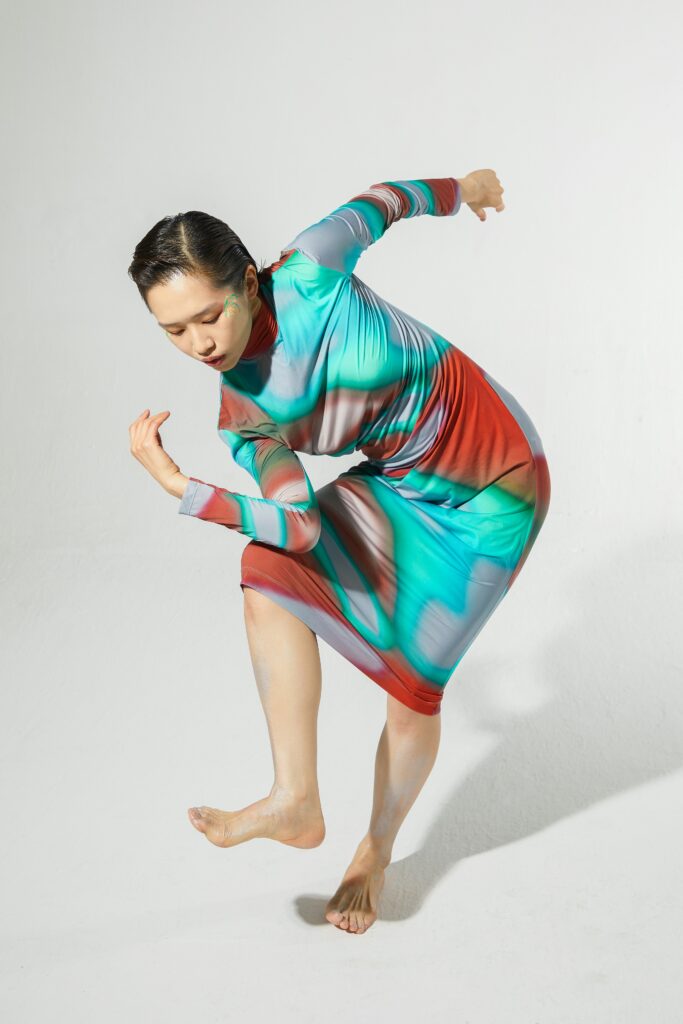
1. Somatic Movement & Ecstatic Dance: Rewriting the Body’s Story
- The Premise: Emotions aren’t purely cognitive; they have a profound somatic (body) component. Suppressed emotions often manifest as physical tension, chronic pain, or a general sense of being “stuck” in the body. Somatic movement practices provide a non-verbal language for these experiences.
- The Mechanism: Free, non-linear movement allows the nervous system to discharge stored energy, completing the physiological stress response cycle (fight, flight, freeze) that might have been interrupted or incomplete. It bypasses the rational mind, directly engaging the proprioceptive and interoceptive systems.
- The Evidence: Dance Movement Therapy (DMT) is a recognized psychotherapeutic use of movement to promote emotional, social, cognitive, and physical integration. Studies, including a comprehensive meta-analysis of 41 controlled trials, indicate DMT can significantly reduce symptoms of anxiety and depression by providing an outlet for emotional expression and fostering a deeper connection to internal states.
- How to Engage:
- Find a private space. Put on music that resonates (or no music at all).
- Close your eyes and simply allow your body to move as it feels compelled. No choreography, no “right” way. Let tension, sadness, joy, or anger express itself through spontaneous physical sensation.
- Try: Online ecstatic dance communities or freeform movement classes.
- Optimal for: Chronic tension, unexpressed anger/frustration, feeling dissociated or disconnected from bodily sensations, those who find verbal processing challenging.

2. Expressive Writing: Unpacking the Mental Archives
- The Premise: Our internal narratives can be chaotic, cyclical, and overwhelming. Expressive writing provides a structured yet unbounded method for externalizing these complex thought-streams and emotional states.
- The Mechanism: This practice isn’t about crafting a literary masterpiece; it’s about externalizing internal data. The act of translating raw thoughts and feelings into written language helps to organize and process information, identify recurring patterns, and gain cognitive distance from overwhelming emotions.
- The Evidence: Extensive research by Dr. James W. Pennebaker consistently demonstrates the profound benefits of expressive writing. Engaging in short, regular sessions (e.g., 15-20 minutes, 3-4 times a week) has been linked to improved immune function, reduced stress hormones, better sleep, and significant psychological well-being by facilitating emotional processing and integration.
- How to Engage:
- Set a timer for 10-15 minutes. Find a quiet space.
- Write continuously without lifting your pen (or fingers from the keyboard). Do not self-edit, censor, or worry about grammar. Just let whatever is in your mind flow directly onto the page.
- Consider specific prompts for deeper dives (e.g., “What emotion is most dominant right now, and why?”, “If my unresolved feelings could speak, what would they say?”).
- Try: Freewriting, stream-of-consciousness, or structured journaling prompts.
- Optimal for: Overthinking, anxiety, processing complex situations, navigating grief, identifying limiting beliefs.
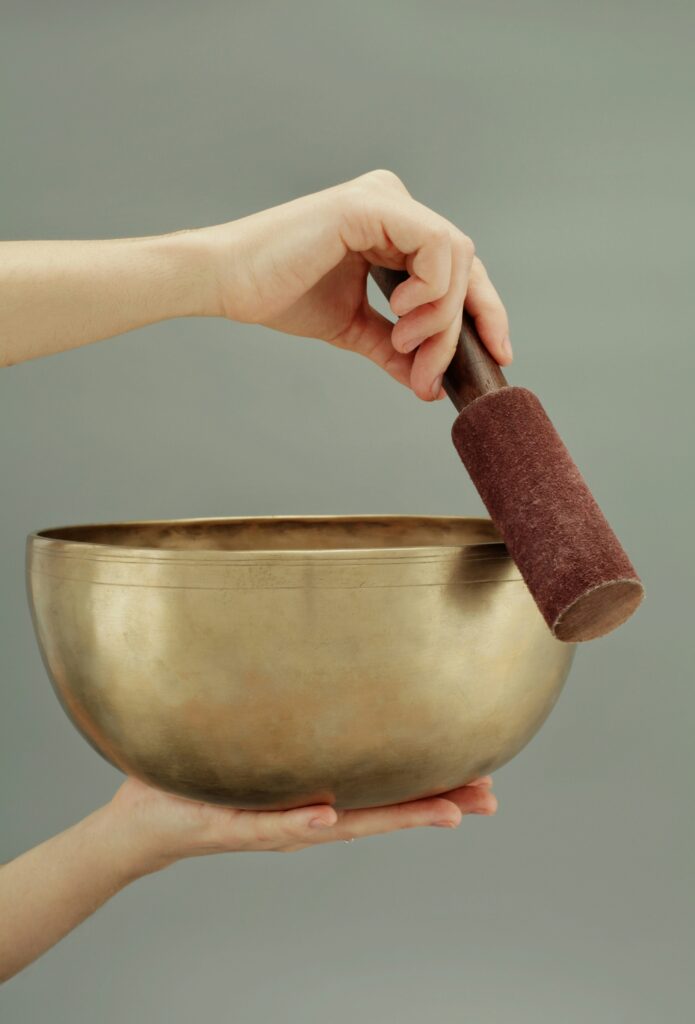
3. Sound Baths & Vibrational Resonance: Reshaping Internal Frequencies
- The Premise: Everything, including our bodies, is fundamentally vibrational. Sound, especially resonant frequencies, can influence our physiological and psychological states, offering a non-invasive pathway for deep relaxation and emotional release.
- The Mechanism: Instruments like Himalayan singing bowls, gongs, and tuning forks produce specific frequencies that can entrain brainwave patterns, shifting them from active Beta states to more relaxed Alpha or even deep Theta/Delta states associated with meditation and restorative sleep. These vibrations can also penetrate the body, potentially releasing physical tension and promoting cellular relaxation, creating a conducive environment for emotional release.
- The Evidence: While clinical research on sound baths is still emerging compared to other modalities, preliminary studies and integrative reviews suggest that sound therapy can significantly reduce perceived stress, anxiety, and pain, leading to improvements in mood and overall well-being. The calming effect on the nervous system, as noted in recent research, often allows for emotions to surface and be processed in a non-threatening environment.
- How to Engage:
- Seek out a certified sound bath practitioner for an in-person session, allowing you to fully immerse.
- Explore high-quality guided sound bath recordings online (headphones are crucial for optimal experience).
- Focus on the sensations within your body as the sounds wash over you.
- Optimal for: Chronic stress, anxiety, feeling overwhelmed, difficulty meditating traditionally, seeking deep relaxation to access subconscious emotional blocks.
4. Somatic Experiencing (Applied Principles) & Tension Release Exercises (TRE): Completing the Stress Cycle
- The Premise: Our bodies are designed to process stress and trauma through a natural release mechanism (e.g., trembling, shaking). When this is suppressed the energy gets trapped.
- The Mechanism: These practices directly facilitate the body’s innate ability to release stored tension and trauma. By gently activating the nervous system and allowing natural tremors or movements, the body can discharge excess activation, leading to a profound sense of calm and integrated emotional experience. This helps to re-regulate a dysregulated nervous system.
- The Evidence: Somatic Experiencing (SE), developed by Dr. Peter Levine, is a highly regarded therapeutic approach based on observing how animals naturally discharge trauma. Research, including systematic reviews of body-oriented psychotherapies, supports the effectiveness of these somatic approaches in reducing symptoms of PTSD, anxiety disorders, and chronic pain by addressing the physiological imprint of overwhelming experiences.
- How to Engage:
- Crucial Note: For deep-seated trauma or chronic overwhelming emotions, seeking guidance from a certified Somatic Experiencing Practitioner or a certified TRE provider is highly recommended. These are powerful tools best explored with expert support.
- For general stress, you can explore introductory TRE videos online, focusing on gentle, controlled engagement and always listening to your body’s signals.
- Optimal for: Chronic anxiety, feeling physically “braced” or tense, unexplained emotional numbness, lingering effects of past stressful events.
Navigating Your Inner Landscape: Critical Considerations
- Individual Variability: Your internal system is unique. What resonates deeply with one person may not with another. Approach these practices with an experimental mindset, observing your own responses without judgment.
- Integration, Not Just Release: The goal isn’t merely to “dump” emotions, but to integrate the insights and energy released back into your conscious awareness, informing your path forward.
- Professional Boundaries: While these rituals are incredibly empowering, they are complementary tools. If you are experiencing persistent distress, severe emotional dysregulation, or believe you are processing trauma, please consult with a licensed mental health professional. These practices enhance, but do not replace, clinical support.
- The Iterative Process: Emotional release is not a one-and-done event. It’s an ongoing, iterative process. Small, consistent engagements yield profound long-term benefits.
Conclusion: Your Emotional System, Optimized For Authentic Presence
Moving beyond the superficial to truly engage with your emotional intelligence is not merely a “self-care” trend; it’s a hallmark of profound self-mastery. It echoes ancient wisdom, validates modern neuroscience, and reclaims emotional processing as a vital, intentional practice.
These strategic rituals offer advanced pathways to process the complex data of your inner world, clearing the way for clarity, resilience, and your most authentic expression. This isn’t about escaping reality; it’s about optimizing your capacity to engage with it fully, from a place of integrity and internal alignment.
Which of these advanced practices resonates most with your current system’s needs? Share your chosen ritual or any insights below.
For the complete framework on strategically navigating these deep internal shifts and emerging as your truest self, explore our full guide: How To Reinvent Yourself: The Soft Apocalypse Guide
Sources:
[Immunize Nevada, Psychoneuroimmunology: The Study of Mind-Body Interactions]
[Source: Ochsner, K. N., & Gross, J. J. (2010). The Amygdala and Emotion Regulation. Trends in Cognitive Sciences, 14(2), 87-97.]
[Koch, S. C., et al. (2019). Effects of Dance Movement Therapy and Dance on Health-Related Psychological Outcomes. A Meta-Analysis Update. Frontiers in Psychology.]
[Pennebaker, J. W. (2007). Expressive writing in psychological science. Perspectives on Psychological Science, 2(3), 260-267.]
[Nichols, S. L., Williams, J. L., & Bell, S. S. (2022). An Integrative Review of the Therapeutic Effects of Sound and Music on Health Outcomes. Journal of Holistic Nursing, 40(2), 110-120.]
[Frank, J., Puchalski, C. M. R., & Curry, E. K. (2019). Body-Oriented Psychotherapy in the Treatment of Trauma. Journal of Psychotherapy Integration, 29(4), 493–510.]